Friday, January 28, 2011

Excuses of the Guilty (Rom. 1:18-21)


Excuses of the Guilty
(Rom. 1:18-21)
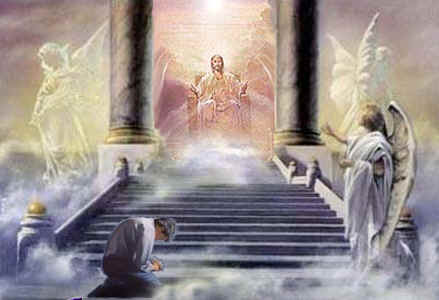
Last week, we dealt with what the wrath of God is and what that means in relation to mankind; that our holy God hates sin and because he is holy and just He must punish sinners. God has revealed to the entire world through the scriptures His wrath and His salvation from the condemnation of sin. Because of this knowledge God has pronounced judgment against sinful man. This verdict of His wrathful judgment against lost mankind has indicted all those who reject God and His remedy of mercy and grace found in His Son, Jesus Christ. The high, holy court of Heaven has called three defendants, representative of mankind, to stand and receive their day in court to answer for their sins. These 3 defendants are here in chapters 1&2 and they are the heathen man, the moral man, and the religious man.

Introduction: God’s indictment (v.18)
God’s fierce wrath is revealed against all ungodliness (sins against his Person) and unrighteousness (sins against his will). The first category is vertical (faulty relationship towards God) while the second is horizontal in nature (faulty living & faulty relationships with fellow man due to our faulty relationship with God). Because of our sinful nature we are unable to have a right relationship towards God and if we are unable to have a right relationship we certainly cannot live according to the righteous standards that God has set forth in His divine, moral Law. Because of our sins we are indicted under the wrath of God. The indictment against mankind is specifically listed in verses 18, it begins by saying they, mankind, “hold (or suppress, smother) the truth in unrighteousness”; in other words, men suppress the truth of God by steadfastly clinging to their sins. Man’s sinful nature desires to naturally oppose God and his truth. The truth that they are sinful and unable to not sin and need God to save them from themselves and the end results of their unrepentant hearts. All of humanity is under God’s condemnation and they are found guilty by two things: 1. God’s Law (2:12 – “For as many as have sinned without law will also perish without law, and as many as have sinned in the law will be judged by the law”; 2. their own deeds (2:6 – God “will render to each one according to his deeds”). You could say that ‘God’s Law’ and ‘their deeds’ are their jury. So let’s begin with our defendants.

I. Defendant #1: The Heathen or Pagan Man (vv. 19-32)
The heathen or pagan man is representative of those who claim ignorance of the knowledge of God. They are in different religions or they could be atheists or they just reject the Christian concept of God. The generation coming up today could be counted among these. They have decided to call this generation the “Y” generation. They are called this because they always say “why should we believe in God, especially the Christian God”. They have been brought up in homes that don’t go to church or read the Bible and have been brain washed in our public schools to believe only in themselves and whatever propaganda the TV and internet says is true. They are thought to question and be skeptical of whatever Christianity says is true. This “Y” generation is truly the ‘pagan’ generation that has forsaken the only true God of the Bible. This generation has chosen to serve a ‘god’ of their own choosing or even not to believe in anything at all. There has never been a time in our nation that we have had such a large percentage of people not in church of some kind. The percentage of people in the USA today are ignorant of what the Bible says and the real gospel message of salvation in Christ. In Amos 8:11-12, the Bible spoke of a famine of God’s word in the land. Here in our nation there seems to be a “famine of God’s word in the land”. There is a generation that does not know the Lord. A generation that wants to be ignorant of God’s truth and a desire to only smother their guilty conscious with false religion and in vile sins. They have chosen false religions and vain philosophies absent of the truth of God’s word. They have exchanged the holy glory of the one true God with the spiritual darkness of false gods and the giving of themselves over to evil desires and gross sexual sins. Verses 21-32 show their regression to viler and viler sins. The verses in 1:21-23 says, "although they knew God, they did not glorify Him as God, nor were thankful, but became futile in their thoughts, and their foolish hearts were darkened. Professing to be wise, they became fools, and changed the glory of the incorruptible God into an image made like corruptible man; and birds and four-footed animals and creeping things”. We see through history and even today people have chosen to serve a ‘god’ of their own making. Today, the New Age religions and atheists have chosen to worship themselves and the efforts of mankind. The ancient Greeks and Romans worshiped a pantheon of gods that were just as depraved as or worse than men. Ancient peoples like the Egyptians, had gods and goddesses that had features of animals and even considered certain animals sacred. Hindus even today worship animals. Our generation today considers themselves ‘spiritual’ but not specifically believing in any one religion. Modern man finds whatever spirituality that condones their sins and relieves them of the fear of consequences. They deceive themselves to believe that because of their supposed ignorance of God and His truth that He will acquit them of His judgment. Verses 1:19-20 refute their excuses. God’s twin witnesses of 1. Conscience (v. 19 – “what may be known of God is manifest in them, for God has shown it to them”) and 2. Nature (v. 20 – “For since the creation of the world His invisible attributes are clearly seen, being understood by the things that are made, even His eternal power and Godhead”; they witness of the existence and God’s law, “so that they are without excuse”. No matter how much they deceive themselves or numb their conscience with gross sin, it won’t stop His judgment.

II. Defendant #2 – Moral Man (vv. 2:1-16)
I like to call this 2nd defendant the ‘good ole’ boy’. The reason that this 2nd representative of judged man thinks he is not deserving of God’s judgment is because he’s not as bad as other men. Most of the time, he is a decent, moral person and not too sinful in his eyes and mostly law-abiding, hard-working, relatively moral person in comparison to the thief, murderer, crack head, or low-life of society. His excuse is that in comparison of his life to others that he is not as bad as society’s criminals (ex. - kid’s grade on a test-not as bad as Billy). I’m not as bad as others so I’ll be alright with God because God grades on a curve. But God refutes their excuse by they do the same things but in a refined way (hide their sins, etc.). God does not judge them according to man’s best but according to His own standard of righteousness and holiness. But they will not escape God’s wrathful judgment (2:1-4, “Therefore you are inexcusable, O man, whoever you are who judge, for in whatever you judge another you condemn yourself; for you who judge practice the same things. But we know that the judgment of God is according to truth against those who practice such things. And do you think this, O man, you who judge those practicing such things, and doing the same, that you will escape the judgment of God? Or do you despise the riches of His goodness, forbearance, and longsuffering, not knowing that the goodness of God leads you to repentance?”).

III. Defendant #3 – The Religious Man (2:17-3:8)
The religious man Paul used as an example were the Jews. The Jews claimed to be the “people of God” solely on the fact that they knew the law of God and taught it, in other words they were righteous because they were religious (2:17-20 – “Indeed you are called a Jew, and rest on the law, and make your boast in God, and know His will, and approve the things that are excellent, being instructed out of the law, and are confident that you yourself are a guide to the blind, a light to those who are in darkness, an instructor of the foolish, a teacher of babes, having the form of knowledge and truth in the law”). They were outwardly religious but inwardly in the same condition as every other lost man. They did belong to those who had head knowledge about God but no heart knowledge (no personal saving relationship with God). But God refuted their feeble excuse by plainly telling them, “You don’t practice what you preach” (2:21-23 – “You, therefore, who teach another, do you not teach yourself? You who preach that a man should not steal, do you steal? You who say, "Do not commit adultery," do you commit adultery? You who abhor idols, do you rob temples? You who make your boast in the law, do you dishonor God through breaking the law?”). Instead of trusting God to save them from their sins they trusted in their own good works of their religion (ex. RCC, baptismal regeneration, etc.).

What is seen through all these defendants is this simply this that all people regardless of race, creed, color, or social status, that all are under sin and in need of a Savior. God has graciously extended His hand of grace through His Son, Jesus Christ and He is not willing that any should perish in their sins but come to repentance.
Enhanced by Zemanta

Thursday, January 27, 2011

The Grace in Which We Stand (Rom. 5:1-11)


The Grace in Which We Stand

(Rom. 5:1-11)

The work of salvation has been accomplished only by Jesus Christ, by His death and resurrection. It is our faith in Christ, what we know and believe about Jesus from the scriptures, that has changed us from sinner to saint. That salvation that God chose to reveal to us, has changed our condition from the condemned nature of a sinner to that of an accepted child of God. It is Jesus Christ alone that has made this possible. It is nothing we have done, it is awesome power of God through Jesus Christ that has saved us. It is God's grace alone through faith alone in Christ alone that has saved us. Today, we will explore “the grace in which we stand”.


I. Justified (declared righteous) v. 1a - “Therefore, having been justified by faith”.

The term “justification” means to be declared righteous. How is it that we who are unrighteous (sinful) can be declared righteous? Well, a good clue to this is that it says here that we are declared righteous by faith. We are declared righteous by our faith in Christ as our Lord and Savior. The reason I know this is that the word “therefore” here in verse 1 is referring to something that Paul has already mentioned previously. And if we look at chapter 4, in the final verses we can understand how we are justified by faith. The whole chapter talks about how Abraham was justified (declared righteous) by his faith in the promises of God (Rom. 4:3 - “Abraham believed God, and it was accounted to him for righteousness” and 4:9 - “For we say that faith was accounted to Abraham for righteousness”). Abraham put his faith into the revealed plan of salvation God showed him in the person and work of Jesus Christ (Gal. 3:8 - “And the Scripture, foreseeing that God would justify the Gentiles by faith, preached the gospel to Abraham beforehand”). We just like Abraham are justified when we put our faith in the person and work of Jesus Christ. If we look at the final verses of chap. 4 we can understand that better, 4:20,22-25 - “He did not waver at the promise of God through unbelief, but was strengthened in faith, giving glory to God; And therefore “it was accounted to him for righteousness.” Now it was not written for his sake alone that it was imputed to him, but also for us. It shall be imputed to us who believe in Him who raised up Jesus our Lord from the dead, who was delivered up because of our offenses, and was raised because of our justification”. Jesus Christ paid the penalty for our sins by His death on the cross and resurrection from the dead. Is 53:4-5 says this about Christ, “Surely He has borne our griefs And carried our sorrows; Yet we esteemed Him stricken, Smitten by God, and afflicted. But He was wounded for our transgressions, He was bruised for our iniquities; The chastisement for our peace was upon Him, And by His stripes we are healed”; this shows the work of justification by Christ's death. Dr. John MacArthur wrote in his commentary on Romans, that through the work of justification by Christ: “God credits the believer's sin to Christ's account, He can credit Christ's righteousness to the believer's account. God could not have justly credited righteousness to Abraham had not Abraham's sin, like every believer's sin, been paid for by the sacrifice of Christ's own blood. Before the cross, the believer's sin was paid in anticipation of Christ's atoning sacrifice, and since the cross the believer's sin has been paid in advance”. This is how we are justified (declared righteous), by faith in Jesus' finished work of salvation. “Faith is never the basis or the reason for justification, but only the channel through which God works His redeeming grace. Faith is simply a convicted heart reaching out to receive God's free and unmerited gift of salvation”. ---John MacArthur.

II. Peace with God. v.1b - “we have peace with God through our Lord Jesus Christ”.

Because we are justified by faith, we can now have peace with God through Jesus Christ. This peace is something we possess at the very moment we put our faith in Christ. This peace comes from the fact that we are saved and justified in Christ. The fact of the matter is that when we were lost sinners, we were hostile and against God; we were enemies (Rom 8:7 - “the carnal (sinful, fleshly) mind is enmity (hostile) against God”. Because we have been justified by Christ, we now have peace with God. We are now reconciled to God by Jesus Christ, v.10 - “when we were enemies we were reconciled to God through the death of His Son, much more, having been reconciled, we shall be saved by His life”. Jesus took upon Himself the full force of God's fury on the cross, that we as sinful humanity should have deserved. Because of our sinfulness we were against God, we were His enemies and undeserving of His grace and mercy he showed us through His Son. All of us who trust in Christ as Lord are no longer enemies of God and under His wrath, we are now at peace with Him through Christ (Col. 1:19-22 - “For it pleased the Father that in Him all the fullness should dwell, and by Him to reconcile all things to Himself, by Him, whether things on earth or things in heaven, having made peace through the blood of His cross. And you, who once were alienated and enemies in your mind by wicked works, yet now He has reconciled in the body of His flesh through death, to present you holy, and blameless, and above reproach in His sight”). Being reconciled to God will bring peace with God. Because we are justified by faith, the immediate consequence of that justification is peace (reconciliation) with God. This peace or reconciliation has been made forever between the believer and God. We are eternally at peace with God. We cannot fall out of favor with God because we're saved, justified, and reconciled because of what Christ has done in our behalf, by His death and resurrection.

Christ not only brings peace to the believer but “He Himself is our peace (Eph. 2;14)”. The knowledge that we have peace with God should strengthen our assurance that we are eternally secure in Christ.

III. This grace in which we stand. v.2 - “through whom also we have access by faith into this grace in which we stand, and rejoice in hope of the glory of God.”

from what we have looked at, we can understand that because we have been reconciled to the Father through trusting the Son we have access into that grace in which we stand. Before we put our faith in Christ, sin denied us access to God. Sin would prevent us from ever enjoying the presence of God, from ever hoping to have salvation, and from ever having a true relationship with Him. The believer can now approach God because of what Christ has done for us. Our standing (our position) with God has changed through Christ. Once unrighteous but now righteous in Christ (2 Cor. 5:21 - “God made him who had no sin to be sin for us, so that we might become the righteousness of God in Him”). This standing in the grace of God never changes even though our circumstances on this world change daily our position of salvation in Christ does not change. Nothing can change it, nothing can take us out of God's hand of salvation (John 10:28-29 - “And I give them eternal life, and they shall never perish; neither shall anyone snatch them out of My hand. My Father, who has given them to Me, is greater than all; and no one is able to snatch them out of My Father's hand”). The grace in which we stand shows us the completeness and fulfillment of Christ's salvation (Phil. 1:6 - “being confident of this very thing, that He who has begun a good work in you will complete it until the day of Jesus Christ”). The act of saving us, of keeping us saved, and completion of salvation is solely in the hands of the One who has provided that salvation. We are incapable by our strength or our will power or by our good works to save ourselves; we do not have the strength or power to do so. It says in 5:6, “when we were still without strength, in due time Christ died for the ungodly”. We are utterly and totally and completely dependent on Christ to save us and to keep us saved. Once we are standing in the grace we can never leave that place. What we can do is begin to live and operate in grace. Another thing we can do is to “rejoice in hope of the glory of God”. The hope that we receive from being in God's grace is not a wishful hope of this world but that know so assurance of hope in God. Knowing that once we are in His grace through faith in Christ, we are eternally in His hand of grace. It says in Col. 1:13, “He has delivered us from the power of darkness and conveyed (transferred, translated) us into the kingdom of the Son of His love”. By awesome power of God through the saving power of Christ we are now declared righteous in Christ, reconciled to the Father, and permanently standing in God's grace. Now that should be grounds for us to glorify and rejoice in our God. But the question I want to leave you with today is this, are you standing in grace today? Do you have the joy of knowing the God of this universe through a saving relationship with His Son Jesus Christ? If not, today you can enter into His grace through faith in Christ.

Man’s Sinfulness: Doctrine of Total Depravity (Romans 3:10-17; 23)


Man’s Sinfulness: Doctrine of Total Depravity
(Romans 3:10-17; 23)
As we continue in our study of Romans, we see that we have looked at the wrath of God. We have seen that God’s judgment will be against all of those who do not receive Jesus as Lord and Savior, who are still bound in their sins. The question we want answered today is: how sinful is man; How does it affect us? Today we will look at man’s sinfulness and how it affects his character, conversation, and conduct.

I. Sinful Character (vv. 10-12 – “As it is written: "There is none righteous, no, not one; There is none who understands; There is none who seeks after God. They have all turned aside; They have together become unprofitable; There is none who does good, no, not one."”)
Paul begins by seemingly answering the question “who is righteous” and the answer is very clear, Paul says, “There is none righteous”. No is sinless or righteous in the eyes of our holy God. Paul then goes on to answer another question that will naturally be brought up in relation to his previous answer, “well, what about Mary or Sister Theresa or Buddha or Gandhi or the Pope or Billy Graham, was she or he sinless or righteous” and his answer is an emphatic “no, not one”. There is not even one person there are no human exceptions. The only One ever born without sin was the God-man, the incarnate Son of God, our sinless Lord Jesus Christ. But other than Christ, mankind is universally evil and there are no exceptions. Paul is stating our absolute lack of righteous before God. Because of our sin nature our whole being is corrupt. The Biblical belief that our sin has tainted and corrupted our all that man is physically, mentally, and spiritually is call the total depravity of man. It doesn’t mean that we are as bad as we can be but that sin has infected every aspect of humanity. Sin has tainted and corrupted every thing we are and has made given us an inability to please God. There is no part of our being free from the stain of sin. The first thing it affects is our character. It has made us evil and separates us from acceptance with God. It affects in such a way that even the good that we humanly do is not even acceptable before God. The word ‘righteous’ that Paul uses is being understood as being right before God. Our evil, depraved nature robs us of pleasing God even in the best that we as humanity does. We have unsaved people that live pretty moral lives and that give help to the needy (like those helping in Haiti or Chile right now) but even in the best that humanity has to offer is still corrupted by our sin nature. There are great differences among people as to their love, kindness, generosity, honesty, etc. But even among the best there are none that come close to Christ’s righteous perfection. That is the standard that God demands, the righteous that God possesses, a righteous that was found only in Christ. Jesus Himself said in Matt. 5:48 – “Be ye therefore perfect, even as your Father which is in heaven is perfect”. For man this is an impossible task. Our depraved, sinful nature prevents us from being perfect. Our inability to save ourselves from sin, to be able to be in a relationship with God is best seen in Rom. 3:23 – “for all have sinned and fall short of the glory of God”. It’s like trying to jump from the Hawaiian islands to the coast of California. There are some athletes that can jump 25-30 feet; there are more people that can jump 10-15 feet, or someone like me that are out of shape that can barely jump 3 feet. Although many can do better than me it remains that we are all incapable to jump thousands of miles to the coast of California. Even though there are those who might be morally better people than others, good hearted sinners that have done great things from humanity, the sad fact is that there is none righteous, not even one; all people fall short of the glory of God. It evens says that we are spiritually ignorant (v. 11a), we don’t even have the ability on our own to know the way without God’s guidance (“But the natural man does not receive the things of the Spirit of God, for they are foolishness to him; nor can he know them, because they are spiritually discerned” – 1 Co. 2:14). It also makes our character rebellious, spiritually useless (“dead in trespasses and sins” – Eph. 2:1), and morally corrupt. We are totally lost, blind, and spiritually dead in our sins. We are doomed and there is nothing humanly possible that can change that fact, apart from a saving relationship with Jesus Christ.

II. Sinful Conversation (vv. 13-14 – “Their throat is an open tomb; With their tongues they have practiced deceit; The poison of asps is under their lips; Whose mouth is full of cursing and bitterness”.)
There is so much more we could say of man’s character but what reveals it best, is his conversation. Jesus said in Mt. 12:34, “for out of the abundance of the heart the mouth speaketh”; and in Prov. 10:31-32, “The mouth of the righteous brings forth wisdom, But the perverse tongue will be cut out. The lips of the righteous know what is acceptable, But the mouth of the wicked what is perverse”. There are so many, many more verses just on conversation that we don’t have time to quote them all but it suffices to say this that a person’s real character will certainly be revealed in their conversation. We can see the result of this in the filthy conversations and slanderous gossip on TV and radio. We can also see the results of depraved conversation in the deception of false teachers of cults and false religions. No other time in history has deception been more prevalent than in our times. Jer. 9:3-5 bests describes the deception on our land in these verses, “And like their bow they have bent their tongues for lies. They are not valiant for the truth on the earth. For they proceed from evil to evil, and they do not know Me, says the LORD. Everyone take heed to his neighbor, And do not trust any brother; For every brother will utterly supplant, And every neighbor will walk with slanderers. Everyone will deceive his neighbor, and will not speak the truth; they have taught their tongue to speak lies”. Today, even politicians are noted for their lying and commercials lie about the products they sell. People openly talk of their sins and immorality and talk of the need of people to accept their perverse lifestyles. Corrupt hearts always will produce corrupt conversation.

III. Sinful Conduct (vv. 15-17 – “Their feet are swift to shed blood; Destruction and misery are in their ways; and the way of peace they have not known”)
If sinful mankind’s character and conversation are corrupt then most certainly their conduct will be the same. The conduct of this lost and sinful and godless world is seen the daily news of the evils man has done against man and God. In the United States 3.2% of our population is incarcerated in our prison and jail systems, 1 out of 31 people, that equals roughly 22 million people in jails, prisons, or on parole/probation. That’s just against the laws of the land, the percentage of those sinful before the laws of God are 100%. We have seen great evil committed in wars (ex. Hitler), oppressive governments (Communist China, Muslim countries), and in the daily news (murders, rapes, robberies, etc.). Our own country has made killing unborn children legal, they say that woman have the right to murder their own unborn child. Three states have made it legal to have physician assisted suicide and some have made same-sex marriage legal. Our president on his inauguration day had a homosexual clergy pray for him and also had openly homosexual choir to sing in it. He has overturned by presidential powers the ban against gays in the military. The conduct of the people of this nation shows sins corrupt influence from the top down. The conduct of our nation and other nations are against the God of heaven whose Word condemns them all. God’s judgment is against all who profane and violate His holy Law. God will warn nations and people to repent before it is too late. I just hope that people’s hearts will turn to God in repentance. God is not willing that any should perish but that all should come to repentance.
The picture of mankind’s sinful heart is reveled in three ways: their character, their conversation, and their conduct. It’s true that the entire world is born into total depravity and a total inability to reach God in our own strength and righteousness. But through the work of salvation by Christ, we have the remedy for a sinful heart. The blood of Jesus Christ can cleanse us from all sin and deliver us from the eternal judgment of sin.
Enhanced by Zemanta

Saturday, July 3, 2010

The Wrath of God (Rom. 1:18-19)


The Wrath of God
(Rom. 1:18-19)

Today, we are going to see how the wrath of God is revealed to all mankind. We have heard many sermons on the love of God, the mercy of God, or the grace of God, but we will see another attribute of God today; it is God’s wrath. Today’s sermon is called “The Wrath of God”.
I. What is the wrath of God? (v. 18a)
It seems that no one wants to hear about this particular divine attribute of God. It is just as much an attribute of God as His love or His omnipotentance or His unchangeable nature. God’s wrath is not the idea of a mere man losing his temper; it is God’s hatred of sin and immorality. Because God is so holy, he cannot but hate sin and bring judgment against those who practice sin. We have a church world today where many of those who say they preach the Gospel seem to leave out the fact that God must punish sin, that there is an eternal penalty measured out against all who have not received Jesus as Lord and Savior. Remember that wrath is not the idea of uncontrolled anger or a temper tantrum of a mere man; God’s wrath is a settled, determined righteous anger against the offensiveness of sin. It seems that Paul’s sharing of the gospel message began with an introduction to that all mankind is under the wrath of God. If you remember in our witnessing training we went through that there is the bad news/good news approach to the Gospel. Paul made sure that this church understood that the reality that all men are lost and under the wrath of God then he would show them the way of escaping the wrath through Christ. We cannot truly understand and appreciate the love, mercy, and grace of God until we see the righteousness demands of God against sin or the fury of His anger against evil. We cannot appreciate His forgiveness or the great love of the sacrifice of His Son, Jesus Christ if we cannot see how detestable sin, evil, and immorality is in the eyes of God. We cannot have the understanding of God’s gracious love through Christ if we do not know His hateful wrath against sinful men. God perfectly hates evil just as much as He perfectly loves righteousness. The fullness of the gospel message is most clearly seen when we show what scripture reveals about the spiritual nature of man (spiritually dead) is condemned by the righteous wrath of God; the Good News of the Gospel is more fully appreciated when we all understand that God wants to save us from our sinful nature (which incurs God’s judgment against us) through His Son, Jesus Christ, who paid the penalty of our judgment. Jesus met the righteous demands of God’s Law through his sinless sacrifice of His shed blood and life on the cross. When we just simply show that God’s wrath is against sin but God’s salvation from sin and judgment can be found through faith in Christ. The scripture reveals in John 3 both the salvation and the wrath of God. It says in John 3:16, “For God so loved the world that He gave His only begotten Son, that whoever believes in Him should not perish but have everlasting life” and it says in v. 36 of that same chapter, “He who believes in the Son has everlasting life; and he who does not believe the Son shall not see life, but the wrath of God abides on him”. The revelation of God’s wrath helps lost man see more clearly see the need of God’s salvation and forgiveness. A sinner will not seek out Jesus as Savior if he does not know that he is sinful and his sin is what condemns him. The wrath of God is basically defined as God’s hatred of sin and the fact God must punish sin. Sinful mankind is condemned and under God’s wrath but God has made a way of escape through Christ.
II. Where and How is it Revealed? (v. 18b)
God’s wrath is revealed from heaven. Our holy God has revealed it from His holy Heaven. The word ‘revealed’ here in the Greek gives us an idea that it means it is being constantly revealed. We can see in the Holy Scriptures that God has revealed His wrath time and time again. From Genesis, we see that when Adam and Eve sinned, that immediately after their sinful disobedience of God’s command, God pronounced on them the sentence of death. It was not just on Adam and Eve, but on all their descendants (that’s us, all mankind) and the earth was cursed right along with them. We can also see God’s judgment upon the whole world in the Great Flood; God’s wrath was seen as judgment fell upon all humanity in a world-wide deluge that drowned all humanity except for eight people (Noah’s family) God saved in an ark. We can also witness God’s judgment against the city of Sodom and Gomorrah, upon the first born of Egypt and the drowning of Pharaoh’s army. If we look at the ‘curse of the Law’ and how we see in the sacrificial system in the Mosaic Law, that the untold millions of innocent animals killed and blood shed. That in all of those animals killed and bled it all revealed man’s sinfulness and unrighteousness but it pointed to the only One whose blood and death would save us from our sin and condemnation. In the death of Christ, we can see God’s wrath was also revealed. Jesus, God’s Son, while on the cross took upon Himself, God’s wrath for us. Jesus took upon Himself the sin of the world and bore the full effect of God’s wrath on the cross (2 Cor 5:21 –“For He made Him who knew no sin to be sin for us, that we might become the righteousness of God in Him”). That penalty that God demanded for our sins, Jesus met on our behalf. God hates sin so much and His wrath demanded that its penalty be met that He chose to allow His only Son to be crucified and killed on our behalf. This was the only way fallen humanity could be redeemed from the curse of sin.
So, we see that God’s wrath has been revealed and it is still being revealed, and will be revealed especially in the End Times. Sometimes it seems that the wicked still prosper and prevail but it just seems that way. We must remember that the wicked will not escape God’s wrath. Here on this earth they may bribe, escape, or fool the justice system of this world, but God’s wrath and judgment will have no loop holes for the wicked to escape (Rev 20:12-13,15 – “And I saw the dead, small and great, standing before God, and books were opened. And another book was opened, which is the Book of Life. And the dead were judged according to their works, by the things which were written in the books. The sea gave up the dead who were in it, and Death and Hades delivered up the dead who were in them. And they were judged, each one according to his works. And anyone not found written in the Book of Life was cast into the lake of fire”). God’s wrath has, is, and will be revealed.
III. What is the verdict of God’s wrath against? (v. 18c)
It is against the ungodliness and unrighteousness of men. Ungodliness are sins against the very Person of God and unrighteousness are sins against God’s will. That just shows that we are simply sinful in all that we are and do. Sin taints and corrupts anything we do. So that any human attempt to span the divides that sin separates us from God always fails. Nothing worthy that we do as humans on this earth can accomplish salvation and acceptance by God. Rom. 3:10 says, “There is none righteous, no, not one” and 3:23 says, “for all have sinned and fall short of the glory of God”; our sinfulness means that we lack the means to truly reverence God, it means that we have a faulty personal relationship with God. If we have a wrong relationship with God then our actions will reflect that in unrighteous living towards God and our fellow man. Sin attacks the Person of God and His righteous Law. God only hates sin. He does not hate people but only the sin that they do. Sin will always bring about the wrath of God for our holy God must punish sin. Unrighteousness is so much a part of man’s nature that every person has a built in, natural desire to suppress and oppose God’s truth that we can’t save ourselves and that only God can save.
Today, we have seen that God’s wrath is against unsaved, godless mankind. We understand that God is so holy that sin and sinners are not allowed in His presence. We know through scripture that God is holy and just and because of that He hates sin and must therefore punish the sinner. But this brings us to the truth of scripture that God is love and because he loves mankind, He has provided a way of salvation through the sacrificial death of Christ on the cross of Calvary. The Bible wonderfully puts it this way, God is “not willing that any should perish but that all should come to repentance” (2 Peter 3:9).


Enhanced by Zemanta

Wednesday, April 21, 2010

The Grace in Which We Stand (Rom. 5:1-11)


The Grace in Which We Stand
(Rom. 5:1-11)
The work of salvation has been accomplished only by Jesus Christ, by His death and resurrection. It is our faith in Christ, what we know and believe about Jesus from the scriptures, that has changed us from sinner to saint. That salvation that God chose to reveal to us, has changed our condition from the condemned nature of a sinner to that of an accepted child of God. It is Jesus Christ alone that has made this possible. It is nothing we have done, it is awesome power of God through Jesus Christ that has saved us. It is God's grace alone through faith alone in Christ alone that has saved us. Today, we will explore “the grace in which we stand”.

I. Justified (declared righteous) v. 1a - “Therefore, having been justified by faith”.
The term “justification” means to be declared righteous. How is it that we who are unrighteous (sinful) can be declared righteous? Well, a good clue to this is that it says here that we are declared righteous by faith. We are declared righteous by our faith in Christ as our Lord and Savior. The reason I know this is that the word “therefore” here in verse 1 is referring to something that Paul has already mentioned previously. And if we look at chapter 4, in the final verses we can understand how we are justified by faith. The whole chapter talks about how Abraham was justified (declared righteous) by his faith in the promises of God (Rom. 4:3 - “Abraham believed God, and it was accounted to him for righteousness” and 4:9 - “For we say that faith was accounted to Abraham for righteousness”). Abraham put his faith into the revealed plan of salvation God showed him in the person and work of Jesus Christ (Gal. 3:8 - “And the Scripture, foreseeing that God would justify the Gentiles by faith, preached the gospel to Abraham beforehand”). We just like Abraham are justified when we put our faith in the person and work of Jesus Christ. If we look at the final verses of chap. 4 we can understand that better, 4:20,22-25 - “He did not waver at the promise of God through unbelief, but was strengthened in faith, giving glory to God; And therefore “it was accounted to him for righteousness.” Now it was not written for his sake alone that it was imputed to him, but also for us. It shall be imputed to us who believe in Him who raised up Jesus our Lord from the dead, who was delivered up because of our offenses, and was raised because of our justification”. Jesus Christ paid the penalty for our sins by His death on the cross and resurrection from the dead. Is 53:4-5 says this about Christ, “Surely He has borne our griefs And carried our sorrows; Yet we esteemed Him stricken, Smitten by God, and afflicted. But He was wounded for our transgressions, He was bruised for our iniquities; The chastisement for our peace was upon Him, And by His stripes we are healed”; this shows the work of justification by Christ's death. Dr. John MacArthur wrote in his commentary on Romans, that through the work of justification by Christ: “God credits the believer's sin to Christ's account, He can credit Christ's righteousness to the believer's account. God could not have justly credited righteousness to Abraham had not Abraham's sin, like every believer's sin, been paid for by the sacrifice of Christ's own blood. Before the cross, the believer's sin was paid in anticipation of Christ's atoning sacrifice, and since the cross the believer's sin has been paid in advance”. This is how we are justified (declared righteous), by faith in Jesus' finished work of salvation. “Faith is never the basis or the reason for justification, but only the channel through which God works His redeeming grace. Faith is simply a convicted heart reaching out to receive God's free and unmerited gift of salvation”. ---John MacArthur.
II. Peace with God. v.1b - “we have peace with God through our Lord Jesus Christ”.
Because we are justified by faith, we can now have peace with God through Jesus Christ. This peace is something we possess at the very moment we put our faith in Christ. This peace comes from the fact that we are saved and justified in Christ. The fact of the matter is that when we were lost sinners, we were hostile and against God; we were enemies (Rom 8:7 - “the carnal (sinful, fleshly) mind is enmity (hostile) against God”. Because we have been justified by Christ, we now have peace with God. We are now reconciled to God by Jesus Christ, v.10 - “when we were enemies we were reconciled to God through the death of His Son, much more, having been reconciled, we shall be saved by His life”. Jesus took upon Himself the full force of God's fury on the cross, that we as sinful humanity should have deserved. Because of our sinfulness we were against God, we were His enemies and undeserving of His grace and mercy he showed us through His Son. All of us who trust in Christ as Lord are no longer enemies of God and under His wrath, we are now at peace with Him through Christ (Col. 1:19-22 - “For it pleased the Father that in Him all the fullness should dwell, and by Him to reconcile all things to Himself, by Him, whether things on earth or things in heaven, having made peace through the blood of His cross. And you, who once were alienated and enemies in your mind by wicked works, yet now He has reconciled in the body of His flesh through death, to present you holy, and blameless, and above reproach in His sight”). Being reconciled to God will bring peace with God. Because we are justified by faith, the immediate consequence of that justification is peace (reconciliation) with God. This peace or reconciliation has been made forever between the believer and God. We are eternally at peace with God. We cannot fall out of favor with God because we saved, justified, and reconciled because of what Christ has done in our behalf, by His death and resurrection.
Christ not only brings peace to the believer but “He Himself is our peace (Eph. 2;14)”. The knowledge that we have peace with God should strengthen our assurance that we are eternally secure in Christ.
III. This grace in which we stand. v.2 - “through whom also we have access by faith into this grace in which we stand, and rejoice in hope of the glory of God.”
from what we have looked at, we can understand that because we have been reconciled to the Father through trusting the Son we have access into that grace in which we stand. Before we put our faith in Christ, sin denied us access to God. Sin would prevent us from ever enjoying the presence of God, from ever hoping to have salvation, and from ever having a true relationship with Him. The believer can now approach God because of what Christ has done for us. Our standing (our position) with God has changed through Christ. Once unrighteous but now righteous in Christ (2 Cor. 5:21 - “God made him who had no sin to be sin for us, so that we might become the righteousness of God in Him”). This standing in the grace of God never changes even though our circumstances on this world change daily our position of salvation in Christ does not change. Nothing can change it, nothing can take us out of God's hand of salvation (John 10:28-29 - “And I give them eternal life, and they shall never perish; neither shall anyone snatch them out of My hand. My Father, who has given them to Me, is greater than all; and no one is able to snatch them out of My Father's hand”). The grace in which we stand shows us the completeness and fulfillment of Christ's salvation (Phil. 1:6 - “being confident of this very thing, that He who has begun a good work in you will complete it until the day of Jesus Christ”). The act of saving us, of keeping us saved, and completion of salvation is solely in the hands of the One who has provided that salvation. We are incapable by our strength or our will power or by our good works to save ourselves; we do not have the strength or power to do so. It says in 5:6, “when we were still without strength, in due time Christ died for the ungodly”. We are utterly and totally and completely dependent on Christ to save us and to keep us saved. Once we are standing in the grace we can never leave that place. What we can do is begin to live and operate in grace. Another thing we can do is to “rejoice in hope of the glory of God”. The hope that we receive from being in God's grace is not a wishful hope of this world but that know so assurance of hope in God. Knowing that once we are in His grace through faith in Christ, we are eternally in His hand of grace. It says in Col. 1:13, “He has delivered us from the power of darkness and conveyed (transferred, translated) us into the kingdom of the Son of His love”. By awesome power of God through the saving power of Christ we are now declared righteous in Christ, reconciled to the Father, and permanently standing in God's grace. Now that should be grounds for us to glorify and rejoice in our God. But the question I want to leave you with today is this, are you standing in grace today? Do you have the joy of knowing the God of this universe through a saving relationship with His Son Jesus Christ? If not, today you can enter into His grace through faith in Christ.
Enhanced by Zemanta

Tuesday, November 17, 2009

The Unpardonable Sin (Matt. 12:31-32)


The Unpardonable Sin
(Matt. 12:31-32)
Maybe you have read this verse and wondered what sin is it that God won’t forgive? It seems that should be no sin that God would not graciously forgive. But yet, here it is in scripture from our Lord and Savior Jesus Christ that there is an unforgivable sin that blasphemes against the Holy Spirit. That God will not forgive in this world and in the world to come. Today, we will see what the unpardonable sin is not, what it is, and how the lost can keep from committing it. Today’s sermon is the unpardonable sin.

I. What the Unpardonable Sin is not.
There are many vile and atrocious sins committed by mankind today. And there are some things I can think of that would be very hard for me to forgive. But in looking at sins I wondered what could be the worst sin that God could not forgive.
A. What about murder? – I think about murder and it is probably the worst possible sin one could commit. To deprive a person of their life and opportunities for someone to repentance towards God and plunge that person into eternity without a chance, could that be the unpardonable sin? Then I read in scripture of when Moses murdered the Egyptian taskmaster and hid the body in the sand to cover it up and I see that although it is a heinous act to commit and a great sin, it is not an unforgivable sin because we see that God forgave Moses of the sin of murder and used him in the deliverance and leading of God’s people. Also, scripture calls Moses in James 2:23, “the Friend of God”. So the unpardonable sin couldn’t be murder.
B. What about adultery? – There is no sin that affects humanity like adultery. Adultery not only affects those involved in a marriage but the children of marriage also. It is a ultimate act of betrayal and it tears out the heart of a family and causes a domino effect of sin that leads to even worse sins even murder. Take for example King David and his sin of adultery with Bathsheba. It went from adultery with her, her becoming pregnant with David’s child, and finally to where David has her husband killed. This grievous and terrible sin that of this man and how far it went to despair and death. Surely maybe this might be the unpardonable sin but in 2 Samuel 12 when confronted by the prophet Nathan David repents unto God and Nathan tells David in verse 13, “The LORD also hath put away thy sin; thou shalt not die”. Even though the sadness and despair involved in this sin it is not unforgivable by God.
C. What about denial of Christ? – Where there is persecution, trials, and fear of martyrdom in the history of the church there have been those who have denied Christ. Surely to deny Jesus would be severe enough to face rejection by God. But looking at Simon Peter who told Jesus in Matthew 12:35 that he would never deny Jesus, in fact he said, “Even if I have to die with You, I will not deny You” but in vv. 69-75 he denied Christ three times. But we see Peter in Acts after seeing the resurrected Christ and being filled with the Holy Spirit stand up and proclaim Christ to thousands and 5,000 where saved that day and later on Peter was martyred for proclaiming Christ. So we see also that denial of Jesus is not unpardonable.
D. What about violence against God’s people, the church? – Surely to kill and beat, and imprison, and torture God’s people is the unforgivable act that God does not forgive. But in the book of Acts we see the great persecutor of the early church, a man named Saul, who imprisoned and killed Christians (God’s children). But we also see in Acts 9 that Jesus reveals Himself to this man and Saul is saved and becomes the great apostle Paul. So, we see that even this great violent sin of persecution against the church is forgivable by God. So what is the unpardonable sin?
II. The Unpardonable Sin (Matt. 12:22-32)
The clue to understanding what the unpardonable sin is to read the passage in Matthew 12:22-32. Let’s began by reading vv. 22-28, “Then one was brought to Him who was demon-possessed, blind and mute; and He healed him, so that the blind and mute man both spoke and saw. And all the multitudes were amazed and said, "Could this be the Son of David?" Now when the Pharisees heard it they said, "This fellow does not cast out demons except by Beelzebub, the ruler of the demons." But Jesus knew their thoughts, and said to them: "Every kingdom divided against itself is brought to desolation, and every city or house divided against itself will not stand. "If Satan casts out Satan, he is divided against himself. How then will his kingdom stand? "And if I cast out demons by Beelzebub, by whom do your sons cast them out? Therefore they shall be your judges. "But if I cast out demons by the Spirit of God, surely the kingdom of God has come upon you”. We need to remember that every sign, wonder, healing, and miracle that Christ did was to bring glory to the Father and revelation that He was God in the flesh. He was revealing Himself as the Messiah the glory of God incarnate. Every time someone was healed or delivered from demons and every time He taught or preached, He revealed that He was the salvation of God. And for the Pharisees to have seen this revelation of God’s power in their midst and still reject Jesus Christ. The unpardonable sin is this, their rejection of Jesus after so many times seeing the evidence and hearing Him tell them who He was and still hardening their heart and ultimately rejecting Jesus as Savior. This is the blasphemy of the Holy Spirit, to have first hand seen and heard Jesus Christ Himself over and over again at time after time rejecting the Holy Spirit of God revealing Christ to them. Jesus Himself pronounced that it would be better for Sodom and Gomorrah at the judgment than unbelieving Israel, in fact let me quote Jesus from Matt. 11:23, “if the mighty works, which have been done in thee, had been done in Sodom, it would have remained until this day”. God had mercifully dealt with Israel for many centuries and when the promised Messiah came, He was rejected and killed by them. The Pharisees crossed the line that day; they went from the mercy of God to the side of reprobation of blaspheming the Holy Spirit of God by their final rejection of Christ. Today, here in America there are people who have heard the gospel message of Jesus Christ and the preaching of God’s Word and they still are rejecting Christ. They have hardened their hearts over and over again against the conviction of the Holy Spirit of God. The Holy Spirit so lovingly wooing them to come to Christ and again they reject Him. They have become desensitized to the merciful grace of God. One day they will find that God will no longer woo them. When Noah built the ark and preached for 120 years to those people they rejected the grace of God over and over again. But when the day of judgment came and Noah, his family, and animals entered into the ark the Bible says that God closed the door and sealed it shut (Gen.7:16). When the rain began to fall and water started to rise then the people began to beat on the side of the ark to open. But what had been opened to all had been shut that day once for all. It was too late; the day of salvation is today. When God calls it is then salvation is offered, that moment and that time. There is a time and a line that is crossed when the lost who have heard the Gospel, time and time again they have rejected Christ and rejected the calling and conviction of the Holy Spirit, a time when God will say, “It is enough!” (Heb. 10:26-27,31 – “For if we sin willfully after that we have received the knowledge of the truth, there remaineth no more sacrifice for sins, But a certain fearful looking for of judgment and fiery indignation; It is a fearful thing to fall into the hands of the living God”). What is lost man to do to not sin the unpardonable sin?
III. Turn to Christ
There was a story about a tall apartment building that caught on fire and was engulfed in flames. The fire department arrived and got everyone out except one person. That person stood at the window of their apartment yelling, “Help, Save me!” to the fireman below. The fire department didn’t have a ladder tall enough to get to them but had stretched out a net that was able to catch that person and save them. They called up to that trapped person and told them, “Jump from the window we will catch you, we’ll save you” but the person wouldn’t jump but would go inside their smoke filled apartment then reappear to yell for help again and the firefighters would tell to just jump to safety. But the person never jumped but died in the flames of that fire. The only thing they had to do to be saved was to jump, to respond to the word of instruction from the fireman. Mankind is like that today, especially in America, they have heard the Word, warning, and instruction from God’s Word from God’s servants to repent and turn to towards Christ to be saved from the judgment to come but they perish in the fire. When Christ is preached today people want to question, to argue, to get some kind of explanation but all they need to do is respond. Rom. 10:9-10 says, “If you confess with your mouth the Lord Jesus and believe in your heart that God has raised Him from the dead, you will be saved. For with the heart one believes unto righteousness, and with the mouth confession is made unto salvation”. To have Christ as Lord and Savior you must respond, you must confess Him as Lord. It doesn’t matter where you are or what condition you’re in turn to Christ. When the thief was dying on the cross beside Jesus, he couldn’t move or walk towards Him but he turned his eyes to Christ and said “Lord, remember me.” And Jesus’ said so graciously, “Today you will be with me in Paradise” (Lk. 23:4243). What must the lost man or woman do not to be forever lost? Do whatever they have to do to turn to Jesus in faith for Him to be their Lord and Savior.
The Unpardonable Sin is rejecting Jesus. What a sad statement today that here in America there are so many who have rejected Him. But there are those who have not heard also. Let us keep proclaiming Christ for those who will hear and believe.

Tuesday, October 27, 2009

Little Sins (2 Sam. 11:1-5)


Little Sins
(2 Sam. 11:1-5)

In this passage we see the story of David and Bathsheba. It is not a happy story but a tragic series of events. It all starts with David’s “little sin”. The problem with “little sins” is just with one word, “little”. There is no such thing as a little sin, that’s just what we call it to justify ourselves when we do something wrong. When our Lord and Savior, Jesus Christ, suffered and died on that cross for our sins, there was no mention of big or little sins. It was for our sins he shed His blood. Our sins, whether they’re big or little, are what separated us from God and condemned us to judgment. Sins are destructive and deadly, whether they are in a sinner’s or a saint’s life. Primarily today, we are going to look at the result of sin in a Christian’s life. We must look at and understand in this sermon the danger of “little sins”. Let’s look at this story of David and Bathsheba and see the results of little sins.

I. Little Sin of David (2 Sam. 11:1-5, “It happened in the spring of the year, at the time when kings go out to battle, that David sent Joab and his servants with him, and all Israel; and they destroyed the people of Ammon and besieged Rabbah. But David remained at Jerusalem. Then it happened one evening that David arose from his bed and walked on the roof of the king's house. And from the roof he saw a woman bathing, and the woman was very beautiful to behold. So David sent and inquired about the woman. And someone said, "Is this not Bathsheba, the daughter of Eliam, the wife of Uriah the Hittite?" Then David sent messengers, and took her; and she came to him, and he lay with her, for she was cleansed from her impurity; and she returned to her house. And the woman conceived; so she sent and told David, and said, "I am with child.”)
A. He Was in the Wrong Place (v.1) - As we look at our first victim of a “little sin”, we must understand that sometimes it begins with being in the wrong place. Here in the beginning of this chapter (2 Sam. 11) it says that David was in Jerusalem but his army was out to war against Ammon. Verse 1 tells us that it was the time of the year when the kings go out to do battle. So we get the idea that King David should have been there in battle with the army of Israel down in the trenches with his men but he was home just taking it easy instead of what he was suppose to be doing. Because he was in the wrong place at the wrong time there came along some problems. There are places in our lives that we should never wander into because it leads to dangerous things. And with King David we can see that all started with being in the wrong place and an accidental look.
B. He Just Had a Little Look (vv. 2-5) - David couldn’t sleep one night and went out on the palace roof. While looking around at the sky and the surrounding houses and building he sees something. Just a little distance away he accidently sees into a little house and there is a women bathing. It was just a little look and I’m sure that he could have turned away and went back into the palace but he had to take another little look. That second little look turned into a little longer look that turned into a little gazing but it was just a little sin on David’s part. That little sin grew into full blown lust and we can see from the rest of the verses that it leads on to greater sin. There are some men that say “there’s nothing wrong with looking!” but the Word of God begs to differ. In Mt. 5:28 Jesus said this about just looking, “But I say to you that whoever looks at a woman to lust for her has already committed adultery with her in his heart”. Entertaining a little sin leads on to more and more sin and there are destructive consequences to them (James 1:15, “when desire has conceived, it gives birth to sin; and sin, when it is full-grown, brings forth death”). David finds out who she is (the wife of Uriah, one of his soldiers) and he invites her to the palace and seduces her. From this Bathsheba becomes pregnant with David’s child.
C. He Tries to Cover His Sin (vv.6-17) – This little sin of David seems to have grown into a mess. So like any good Christian he tries to hide his sin (that’s sarcasm). David thinks he can cover it up and come out smelling like rose but it seems like sin has a life of its own. In verses 6-13, we see that King David sent for Uriah (Bathsheba’s husband) from out of the battle. David’s reasoning was that if he brought Uriah home that he could cover up getting Bathsheba pregnant by making it look like Uriah was the father. Things are never as simple as they seem. Uriah was a faithful soldier and would not go home because to him it would be a dishonor to do so while every other soldier was putting their lives on the line. Because Uriah would not go to his house and wife, David sent him back to battle with a message to his General Joab. The message was to Uriah in the forefront of a battle and then retreat back from him so he would be killed and Joab did as David commanded him. Uriah is killed and then in vv.26-27 Bathsheba mourns and after the time of mourning was over David brings her to the palace marries her and she gives birth to their son. David thinks that it’s all covered up nice and neat but any sin that given time to root and grow in a heart of a believer will dealt with by God. God has no intention of letting this sin not be dealt with in David’s life and we see this in 11:27b, “But the thing that David had done displeased the LORD”. It’s not over by a long shot.
D. God deals with David’s Sin (2 Sam.12:1-15) – God deals with David and his sin. God used the prophet Nathan to confront and rebuke King David. Nathan comes to David and tells him a story of a rich man and a poor man. That the rich man had many flocks and herds and the poor man had one little lamb that he loved like a child. The rich man had a visitor and instead of him killing a lamb from his great many flocks, he stole and killed the poor man’s little lamb that he loved. King David was incensed at the great injustice and evil of the rich man and declared that this man must die. It is then that Nathan tells David this, “You are the man!” and then begins revealing from God the great sin of David. You see there is nothing hidden from God even if your hiding a multitude of sins from everyone else, God sees it! And God will deal with it if you’re his child. How do I know this, one from experience (nothing like King David) and the best reason I know this is true is because God’s word says so, Heb. 12:5-11, “And you have forgotten the exhortation which speaks to you as to sons: "My son, do not despise the chastening of the LORD, Nor be discouraged when you are rebuked by Him; For whom the LORD loves He chastens (disciplines), And scourges every son whom He receives. If you endure chastening, God deals with you as with sons; for what son is there whom a father does not chasten? But if you are without chastening, of which all have become partakers, then you are illegitimate and not sons. Furthermore, we have had human fathers who corrected us, and we paid them respect. Shall we not much more readily be in subjection to the Father of spirits and live? For they indeed for a few days chastened us as seemed best to them, but He for our profit, that we may be partakers of His holiness. Now no chastening seems to be joyful for the present, but painful; nevertheless, afterward it yields the peaceable fruit of righteousness to those who have been trained by it.” God will deal with sin in the life of a believer in a way that is best for us. Because of what was told to David, he repented in 12:13, “I have sinned against the LORD.” And Nathan said to David, "The LORD also has put away your sin; you shall not die”. God was going to deal with David very harshly by taking his life but David truly repented and was graciously shown mercy. David should have went to God and let Him deal with his sin but David foolishly tried to deal with it on his own. If sin is not dealt with it will not just affect you but it affects those around you, especially those who you love the most in your life. David was forgiven by God but paid the price of a believer dabbling in sin.
II. The Solution for Little Sins
It only takes entertaining on “little” sin to open the flood gates of sins destructive abilities (“…for whatever a man sows, that he will also reap.” – Gal. 6:7b). If you ever talk to an addict you can plainly hear how all it took was that first drink, that first toke, or that first pill. Just one little decision to sin can destroy lives and your witness for Christ. My friends before it gets that far we most go humbly and repentantly to our Lord God. 1 John 2:1 says, “My little children, these things I write to you, so that you may not sin. And if anyone sins, we have an Advocate with the Father, Jesus Christ the righteous” Confess and repent of your sin to God so it will not gain a foothold in your heart and life. 1 John 1:9 says that if we will “confess our sins, He is faithful and just to forgive us our sins and to cleanse us from all unrighteousness”.
The only way to deal with little sins before they mature and grow into a great destructive power is to nip them in the bud. Let Christ, our sin killer, get them when there young and fresh. Rom 6:12 – “Therefore do not let sin reign in your mortal body that you should obey its lusts” but bring them all under the subjection of Christ. Let Christ deal with your “little sins”.